Is Dermaplaning Good for Acne-Prone Skin? Who Should Skip It
Is dermaplaning good for acne-prone skin? Learn when this exfoliating treatment is safe and when to avoid it based on expert advice from Texas esthetician Natalie Zavora.

Is dermaplaning good for acne-prone skin? Yes, but with some important considerations.
As a licensed esthetician with over 3 years of experience at SKINZ by NZ in League City, Texas, I often get asked: is dermaplaning good for acne-prone skin? The answer is yes, but with some important considerations. Dermaplaning can be a beneficial treatment for those with acne-prone skin when done correctly and by a professional. However, it's not suitable for everyone, and there are certain precautions to take.
At SKINZ by NZ, I specialize in creating personalized skincare treatments for my clients in League City and Texas City, TX. Dermaplaning is one of the treatments I offer, and it's important to understand how it can affect different skin types, especially acne-prone skin.
What is dermaplaning and how does it work?
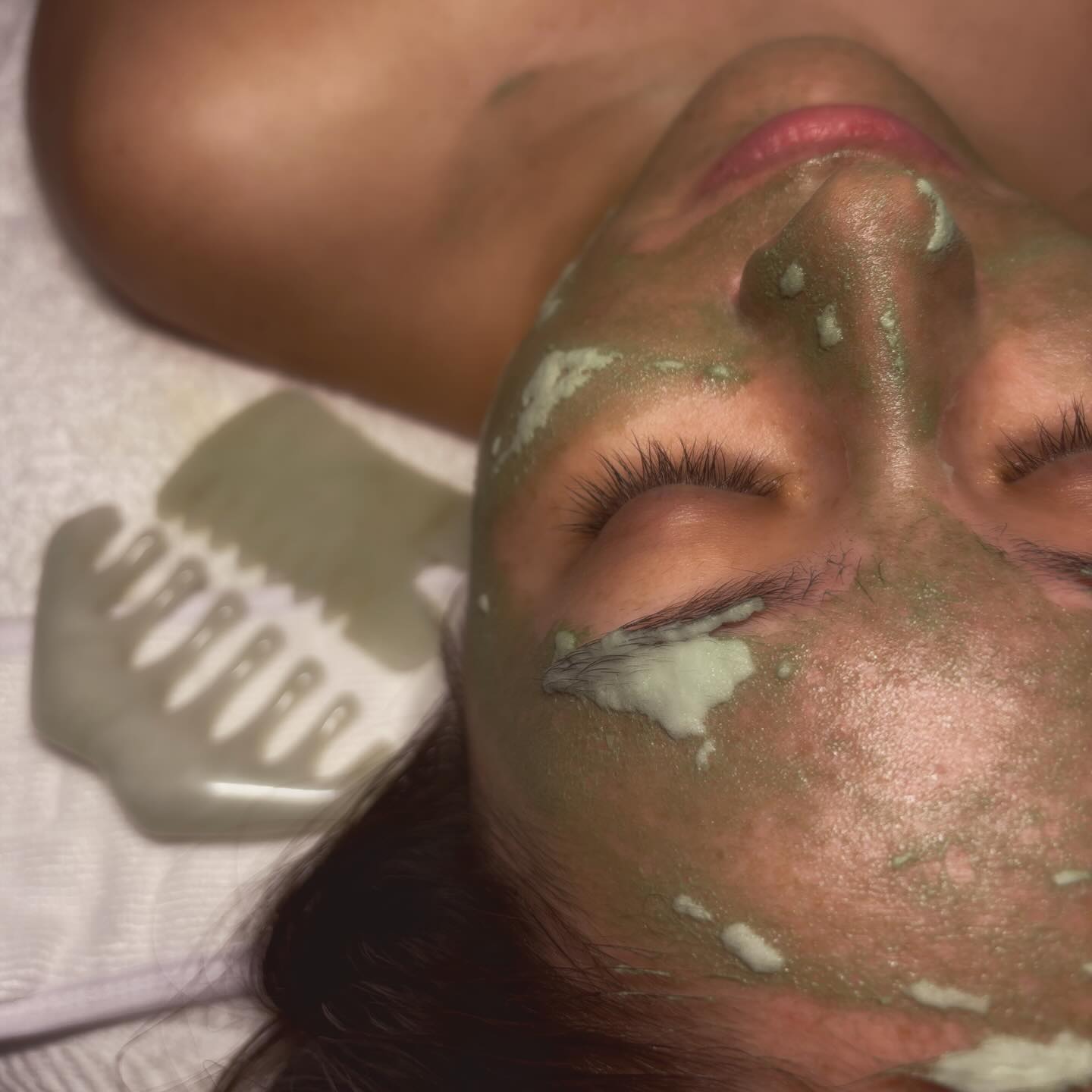
Dermaplaning is a non-invasive exfoliating treatment that involves using a surgical scalpel to gently remove the top layer of dead skin cells and vellus hair, also known as peach fuzz. This process reveals smoother, brighter skin and allows skincare products to penetrate more effectively.
Here's what you can expect during a dermaplaning session at SKINZ by NZ:
- Gentle exfoliation: The scalpel is used to carefully scrape away dead skin cells and hair.
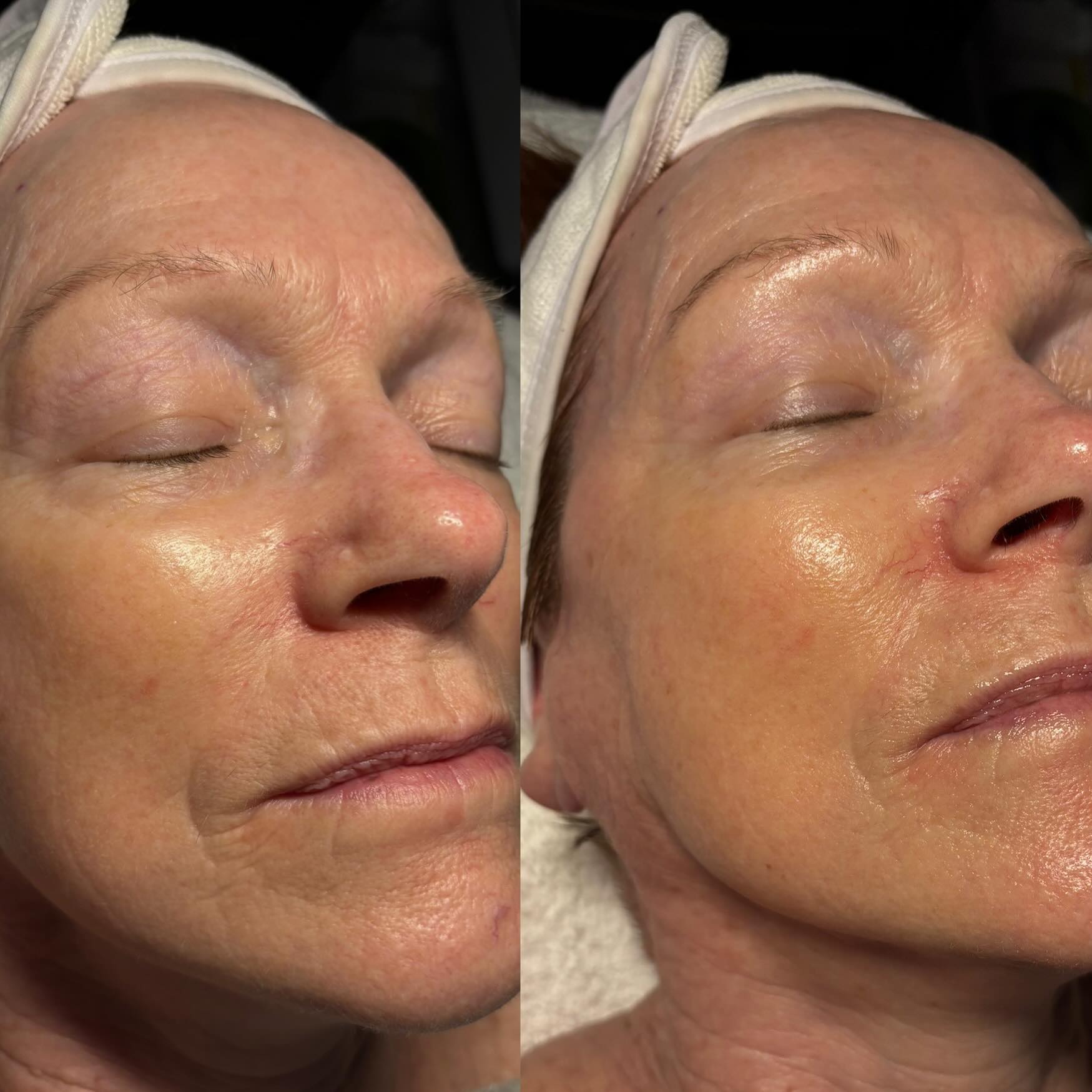
- Immediate results: Clients often notice smoother, brighter skin right after the treatment.
- No downtime: Unlike some other treatments, dermaplaning requires no recovery time.
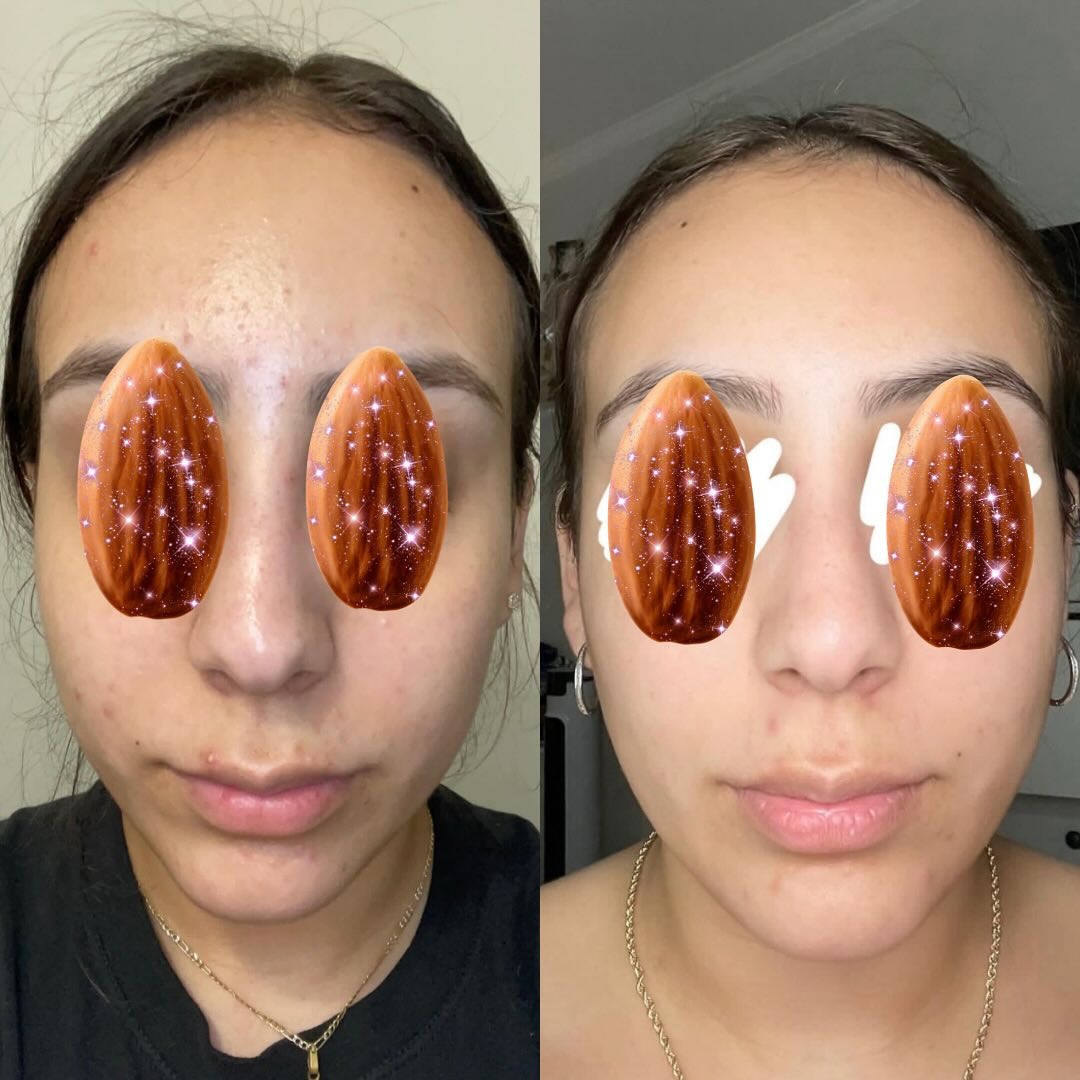
For those wondering is dermaplaning good for acne-prone skin, it's important to note that dermaplaning can help reduce the appearance of acne scars and improve skin texture, but it should be approached with caution.
Who should avoid dermaplaning?
While dermaplaning can be beneficial for many, there are certain skin conditions and situations where it is not recommended:
- Active acne breakouts: If you have inflamed or cystic acne, dermaplaning could irritate the skin and potentially spread bacteria.
- Skin infections or open wounds: Dermaplaning should not be performed on areas with infections or open wounds.
- Sensitive skin conditions: Those with eczema, psoriasis, or other sensitive skin conditions should consult with a professional before considering dermaplaning.
It's crucial to have a consultation with a licensed esthetician like myself to determine if dermaplaning is right for your skin type. At SKINZ by NZ, I provide personalized consultations to ensure that each client receives the best possible care.
Benefits of dermaplaning for acne-prone skin
When done correctly, dermaplaning can offer several benefits for those with acne-prone skin:
- Exfoliation: Removing dead skin cells can help prevent clogged pores and reduce the likelihood of breakouts.
- Improved product absorption: With the top layer of dead skin removed, skincare products can penetrate more deeply and work more effectively.
- Reduction in fine hairs: Removing vellus hair can help reduce the appearance of acne and improve skin texture.
However, it's important to remember that dermaplaning is not a one-size-fits-all solution. Each client's skin is unique, and a tailored approach is necessary to achieve the best results.
What to expect after dermaplaning
After a dermaplaning session at SKINZ by NZ, clients can expect:
- Smooth, glowing skin: The immediate effect of dermaplaning is smoother, brighter skin.
- Mild redness: Some clients may experience mild redness, which typically subsides within a few hours.
- No downtime: Clients can resume their normal activities immediately after the treatment.
It's important to follow post-treatment care instructions, such as avoiding direct sun exposure and using gentle skincare products, to maintain the results of your dermaplaning session.
Frequently Asked Questions
Can dermaplaning make acne worse?
When done by a professional like Natalie Zavora, dermaplaning should not make acne worse for most people. However, those with active breakouts or cystic acne should avoid it.
How often should I get dermaplaning if I have acne-prone skin?
For acne-prone skin, we recommend dermaplaning every 4-6 weeks to maintain results without over-exfoliating.
Is dermaplaning painful?
Dermaplaning is a gentle, non-invasive treatment that most clients find comfortable and relaxing.
What are the benefits of dermaplaning for acne-prone skin?
Dermaplaning helps remove dead skin cells and vellus hair, which can reduce clogged pores and improve the absorption of acne treatments.
Can I combine dermaplaning with other skincare treatments?
Yes, dermaplaning can be combined with other treatments like facials and chemical peels for enhanced results.
Ready to experience the benefits of dermaplaning for yourself? Book your dermaplaning session at SKINZ by NZ today and discover the difference a professional touch can make for your skin.
Curious which treatment fits your skin? Explore our services to see what's right for you.
Want this handled for you?
Book a custom facial with Natalie in League City and we'll build a plan for your skin.

Written by
Natalie Zavora
Licensed esthetician with 3+ years of hands-on experience, serving League City & Texas City, TX. I treat acne, aging, and dull skin with custom facials, dermaplaning, peels and more.
Book your facial with Natalie