Is Dermaplaning Good for Acne-Prone Skin? Who Should Skip It
Learn if dermaplaning is suitable for acne-prone skin, who should avoid it, and how to get the best results in Texas City and League City, TX.

Is dermaplaning good for acne-prone skin? The short answer is: it depends.
As a licensed esthetician with over 3 years of experience at SKINZ by NZ in League City and Texas City, TX, I often get asked if dermaplaning is suitable for clients with acne-prone skin. The truth is, while dermaplaning can offer many benefits, it may not be the best choice for everyone, especially those with active acne or very sensitive skin.
What is dermaplaning and how does it work?
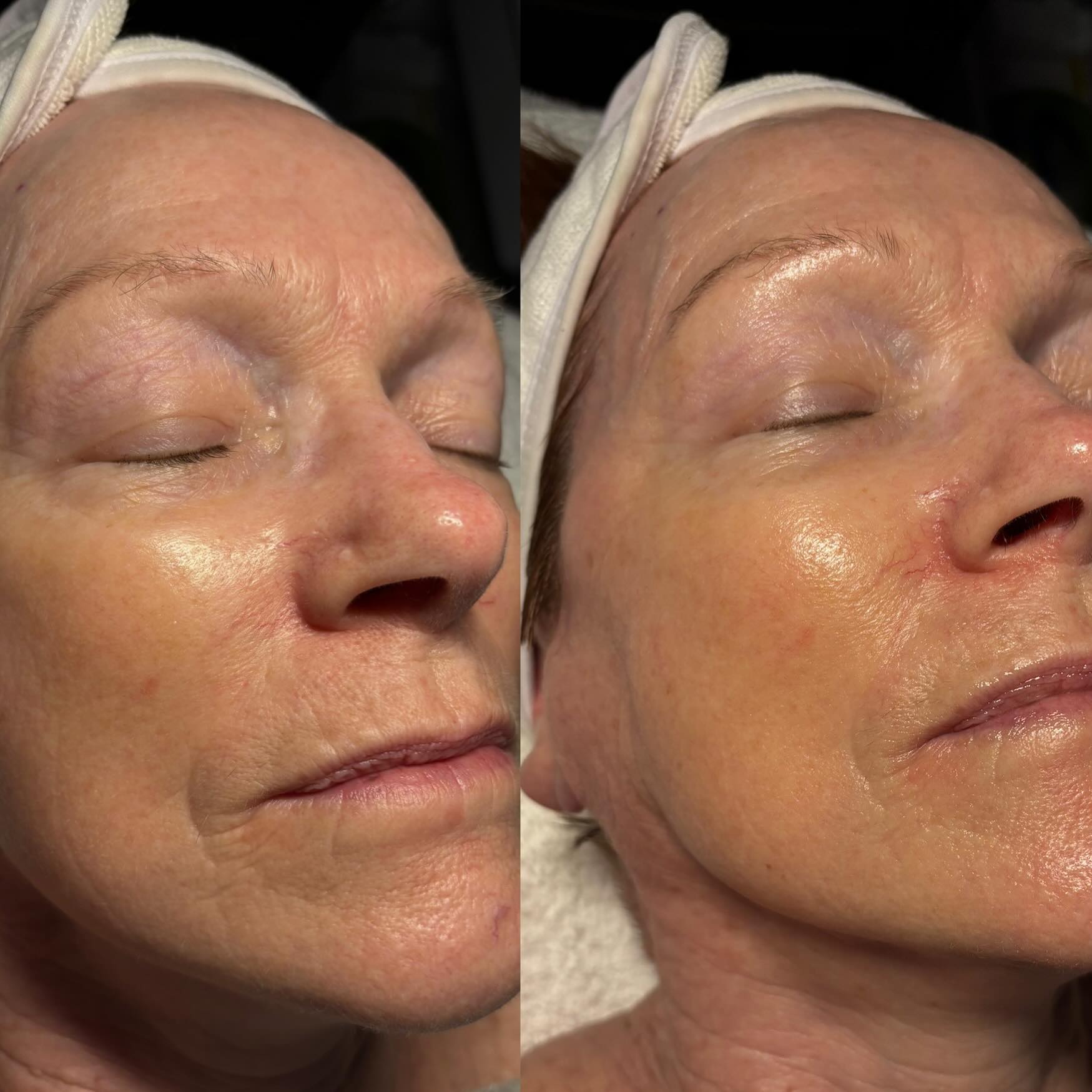
Dermaplaning is a non-invasive exfoliation treatment that involves using a sterile surgical blade to gently scrape off the top layer of dead skin cells and fine vellus hair (peach fuzz) from your face. This process reveals a smoother, brighter complexion and allows skincare products to penetrate more effectively.
At SKINZ by NZ, I perform dermaplaning treatments with precision and care, ensuring that each client receives a personalized experience tailored to their skin type and concerns. If you're in the League City or Texas City area and considering dermaplaning, book your facial to experience the benefits firsthand.
Benefits of dermaplaning for acne-prone skin
For those with acne-prone skin, dermaplaning can offer several benefits:
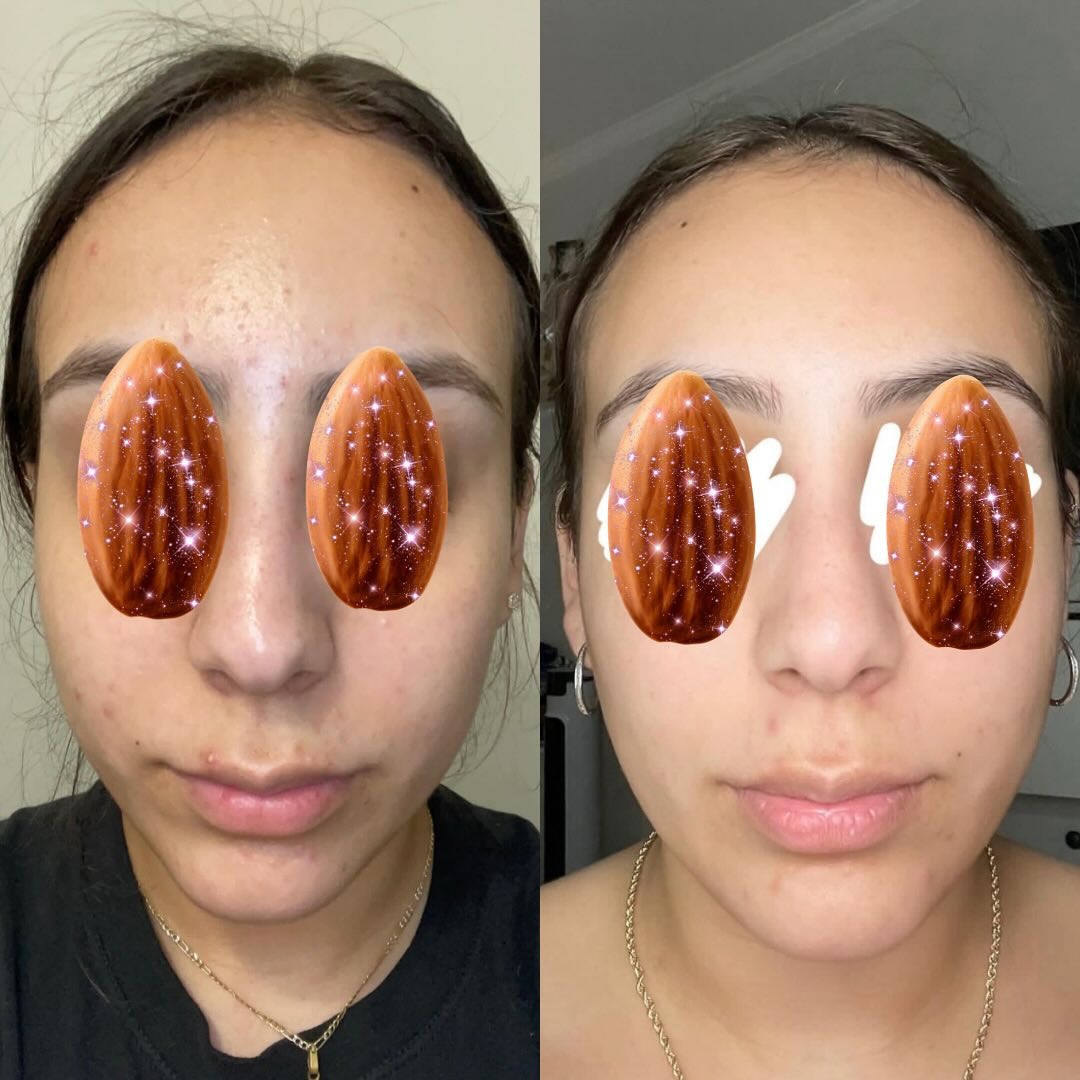
- Exfoliation: Dermaplaning removes dead skin cells, which can help prevent clogged pores and reduce the likelihood of breakouts.
- Improved product absorption: By removing the top layer of skin, dermaplaning allows acne treatments and other skincare products to penetrate more deeply and work more effectively.
- Smooth texture: The removal of vellus hair can make the skin feel smoother and look more radiant.
- Reduced hyperpigmentation: Regular dermaplaning can help fade acne scars and reduce the appearance of dark spots.
Who should avoid dermaplaning?
While dermaplaning can be beneficial for many, it is not suitable for everyone. If you have any of the following conditions, you should avoid dermaplaning:
- Active acne: Dermaplaning can irritate inflamed skin and potentially spread bacteria, leading to more breakouts.
- Inflamed skin: If your skin is currently inflamed or you have any open wounds, dermaplaning could exacerbate the issue.
- Sensitive skin: Those with very sensitive skin may find dermaplaning too harsh and may experience irritation.
- Skin conditions: If you have conditions like eczema, psoriasis, or rosacea, dermaplaning may not be recommended.
If you're unsure whether dermaplaning is right for you, I offer complimentary consultations at SKINZ by NZ. Book your consultation to discuss your skin concerns and determine the best treatment plan for you.
What to expect during a dermaplaning treatment
At SKINZ by NZ, a dermaplaning treatment typically lasts about 30-45 minutes. Here's what you can expect:
- Consultation: Before the treatment, we'll discuss your skin concerns and goals to ensure dermaplaning is the right choice for you.
- Cleansing: Your skin will be thoroughly cleansed to remove any dirt, oil, or makeup.
- Exfoliation: Using a sterile blade, I'll gently exfoliate the skin, removing dead skin cells and peach fuzz.
- Moisturizing: After the treatment, a hydrating moisturizer and sunscreen will be applied to protect and nourish your skin.
Many clients report feeling a slight tingling sensation during the treatment, but it is generally painless. Post-treatment, your skin may feel slightly sensitive, but this should subside within a day or two.
Aftercare tips for dermaplaning
To ensure the best results and maintain your glowing complexion, follow these aftercare tips:
- Avoid direct sunlight: For the first 24 hours after dermaplaning, avoid direct sunlight and wear a broad-spectrum sunscreen.
- Skip exfoliating products: Avoid using exfoliating products or treatments for at least a week after dermaplaning.
- Moisturize: Keep your skin hydrated by using a gentle, non-comedogenic moisturizer.
- Avoid makeup: For the first 24 hours, it's best to avoid wearing makeup to allow your skin to breathe and recover.
If you have any concerns or questions about aftercare, feel free to reach out to me directly at SKINZ by NZ.
Frequently Asked Questions
Can dermaplaning cause acne breakouts?
Dermaplaning itself doesn't cause acne, but if not done properly, it can irritate sensitive skin. It's crucial to have it performed by a licensed professional.
How often should I get dermaplaning if I have acne-prone skin?
For acne-prone skin, I recommend dermaplaning every 4-6 weeks to maintain results without over-exfoliating.
Is dermaplaning safe for active acne?
Dermaplaning is not recommended for active acne or inflamed skin as it can spread bacteria. It's best to wait until your skin is clear.
What are the benefits of dermaplaning for acne-prone skin?
Dermaplaning helps remove dead skin cells and excess oil, promoting a smoother texture and allowing acne treatments to penetrate more effectively.
Can I combine dermaplaning with other acne treatments?
Yes, dermaplaning can be combined with other treatments like chemical peels or facials for enhanced results, but it's important to consult with a professional first.
If you're ready to experience the benefits of dermaplaning for yourself, book your treatment at SKINZ by NZ today.
Curious which treatment fits your skin? Explore our services to see what's right for you.
Want this handled for you?
Book a custom facial with Natalie in League City and we'll build a plan for your skin.

Written by
Natalie Zavora
Licensed esthetician with 3+ years of hands-on experience, serving League City & Texas City, TX. I treat acne, aging, and dull skin with custom facials, dermaplaning, peels and more.
Book your facial with Natalie