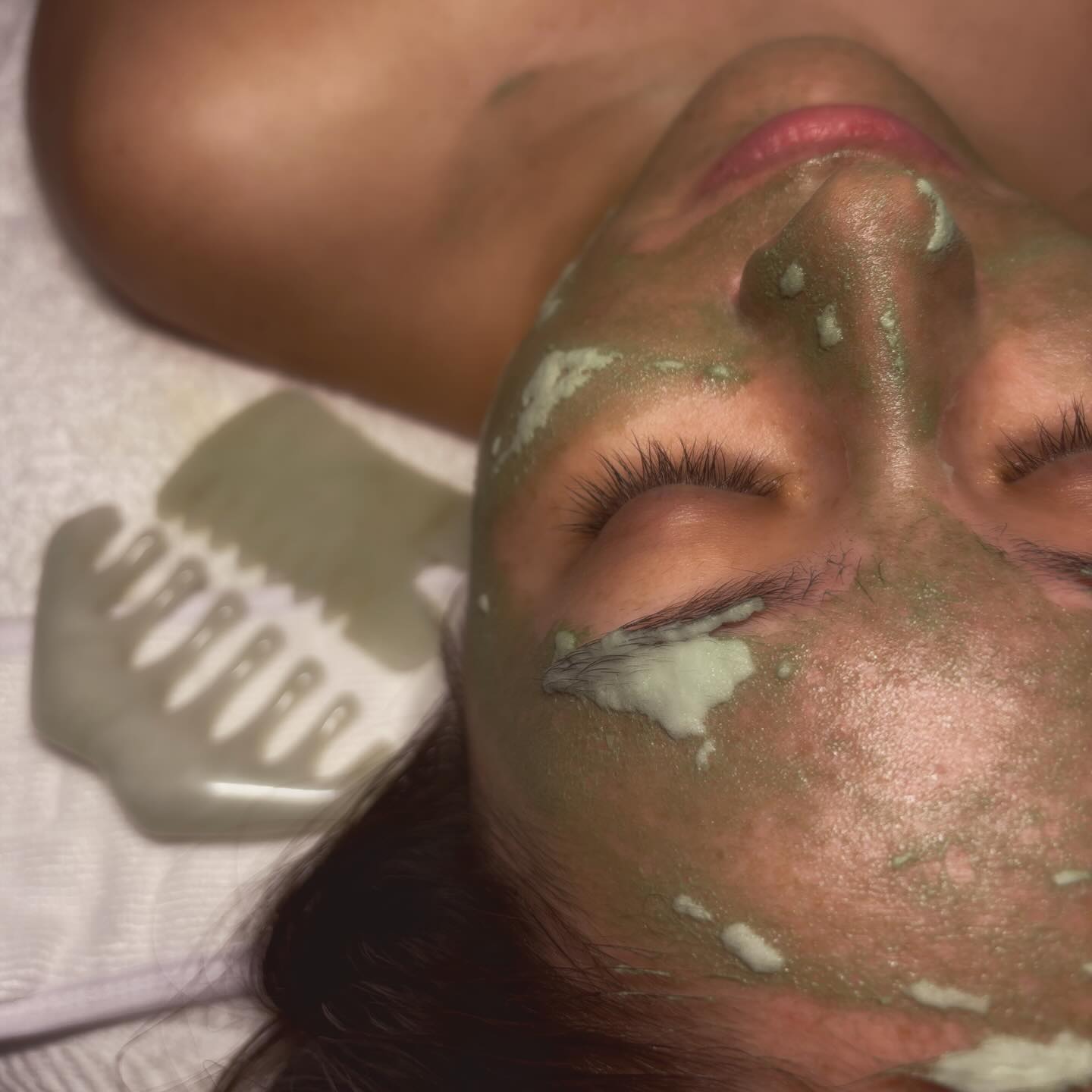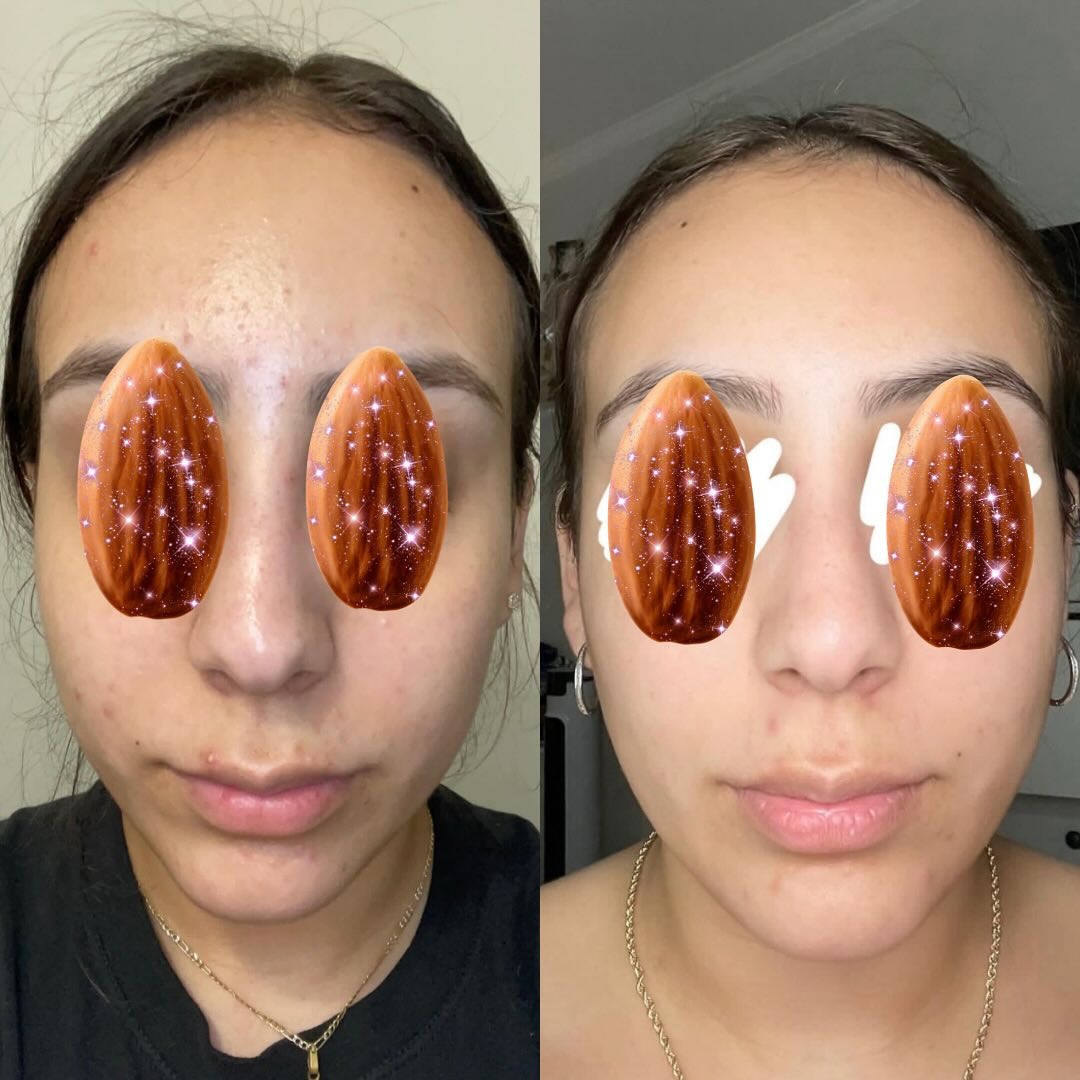
Is Dermaplaning Good for Acne-Prone Skin? Who Should Skip It
Learn if dermaplaning is suitable for acne-prone skin, who should avoid it, and how to safely achieve smoother skin in Texas City and League City, TX.
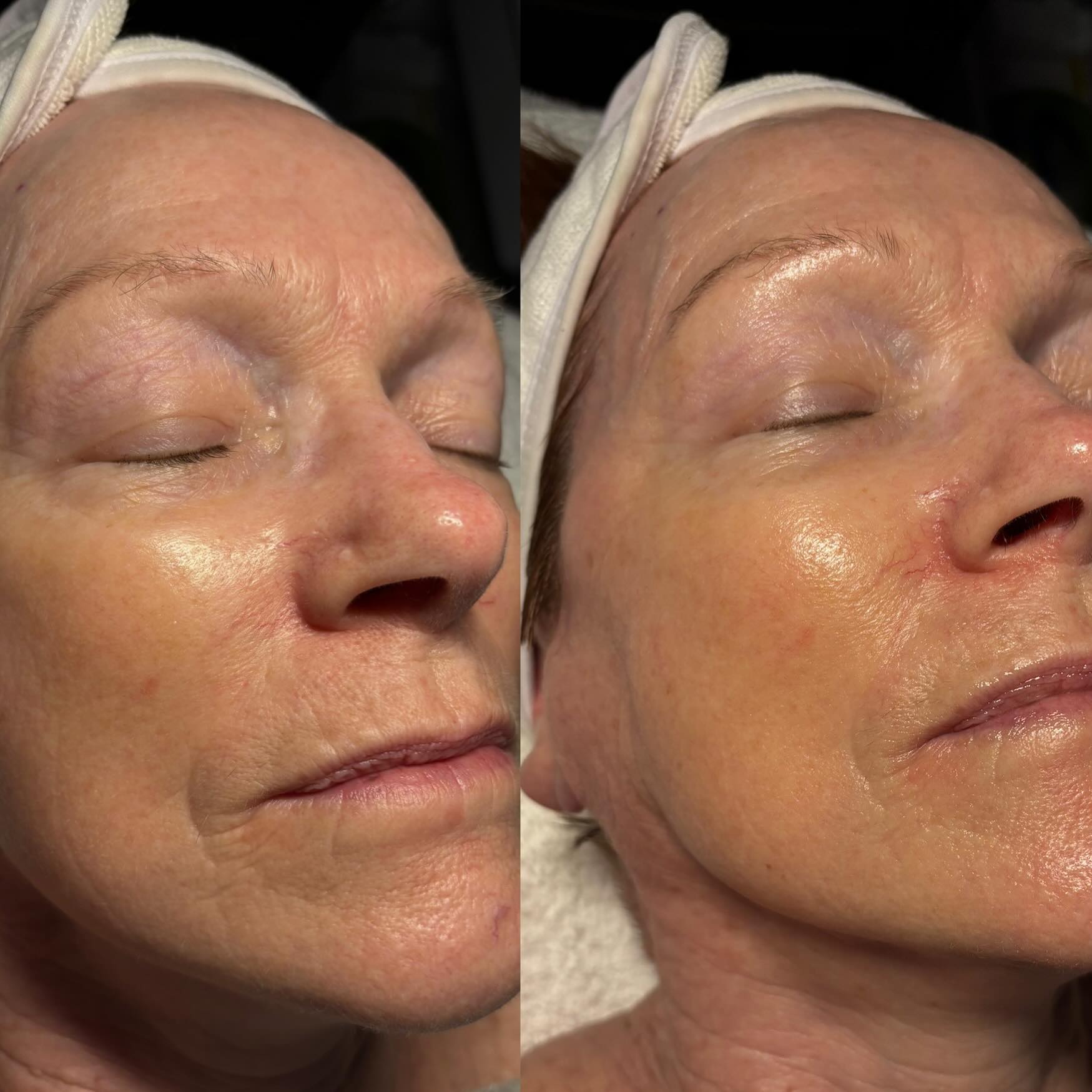
Is dermaplaning good for acne-prone skin? The short answer is yes, with some important considerations.
As a licensed esthetician with 3+ years of experience at SKINZ by NZ in League City, TX, I've helped many clients with acne-prone skin achieve a smoother, more radiant complexion through dermaplaning. However, it's crucial to understand that not all acne conditions are the same, and a personalized approach is essential for safe and effective results.
Dermaplaning is a popular exfoliation treatment that involves using a sterile blade to gently remove the top layer of dead skin cells and fine facial hair. This process can help reduce the appearance of acne scars, improve skin texture, and allow skincare products to penetrate more effectively.
Who is dermaplaning best for?
Dermaplaning is ideal for those with mild to moderate acne, superficial scarring, and uneven skin tone. Here's why:
- Smooth texture: By removing the top layer of dead skin, dermaplaning leaves your skin feeling incredibly smooth.
- Improved product absorption: With the barrier of dead skin and peach fuzz removed, your skincare products can work more effectively.
- Brighter complexion: Regular dermaplaning can help reveal a brighter, more even complexion by promoting cell turnover.
If you're in Texas City or League City, TX, and considering dermaplaning, I invite you to book your facial at SKINZ by NZ for a personalized consultation.
Who should avoid dermaplaning?
While dermaplaning can be beneficial for many, it's not suitable for everyone. Here are some instances where you should avoid dermaplaning:
- Active cystic acne: If you have inflamed, cystic acne, dermaplaning could irritate your skin and potentially spread bacteria.
- Inflamed skin conditions: Conditions like eczema, psoriasis, or rosacea may be exacerbated by dermaplaning.
- Open wounds or cuts: Dermaplaning should not be performed on broken skin.
- Certain medications: If you're using medications like Accutane or topical retinoids, dermaplaning may not be recommended due to increased skin sensitivity.
Always consult with a licensed esthetician to determine if dermaplaning is right for your skin type and condition.
What to expect during a dermaplaning treatment
At SKINZ by NZ, I ensure each dermaplaning session is a relaxing, comfortable experience. Here's what you can expect:
- Consultation: We start with a thorough consultation to understand your skin concerns and goals.
- Preparation: Your skin is cleansed and prepped for the treatment.
- Exfoliation: Using a sterile blade, I gently exfoliate your skin, removing dead skin cells and fine hair.
- Post-treatment care: I apply a soothing serum and sunscreen to protect your newly revealed skin.
The entire process takes about 30-45 minutes, and you can expect to see immediate results. For best results, I recommend regular treatments every 4-6 weeks.
Aftercare tips for dermaplaning
To maintain the benefits of your dermaplaning treatment and keep your skin healthy, follow these aftercare tips:
- Avoid direct sun exposure: Your skin will be more sensitive to the sun, so wear sunscreen daily and avoid prolonged sun exposure.
- Use gentle skincare products: Stick to mild, non-irritating products for the first few days after treatment.
- Stay hydrated: Drink plenty of water to help your skin recover and stay hydrated.
- Avoid harsh exfoliants: Skip any harsh scrubs or exfoliants for at least a week after dermaplaning.
If you have any concerns or questions about aftercare, feel free to reach out to me directly.
Frequently Asked Questions
Is dermaplaning safe for sensitive skin?
Dermaplaning can be safe for sensitive skin if done by a professional. It's important to communicate any skin sensitivities during your consultation.
Can dermaplaning help with acne scars?
Yes, dermaplaning can help reduce the appearance of superficial acne scars by promoting cell turnover and improving skin texture.
How long does a dermaplaning treatment take?
A typical dermaplaning session at SKINZ by NZ takes about 30-45 minutes.
Will dermaplaning make my facial hair grow back thicker?
No, dermaplaning will not make your facial hair grow back thicker. It simply removes the existing hair, which will grow back at the same rate and texture as before.
Can I wear makeup after dermaplaning?
It's best to avoid wearing makeup for at least 24 hours after dermaplaning to allow your skin to recover.
If you're ready to experience the benefits of dermaplaning, book your appointment at SKINZ by NZ today. I look forward to helping you achieve your best skin yet!
Curious which treatment fits your skin? Explore our services to see what's right for you.
Want this handled for you?
Book a custom facial with Natalie in League City and we'll build a plan for your skin.

Written by
Natalie Zavora
Licensed esthetician with 3+ years of hands-on experience, serving League City & Texas City, TX. I treat acne, aging, and dull skin with custom facials, dermaplaning, peels and more.
Book your facial with Natalie